
Reducing food waste at home is a practical way to save money, conserve resources, and protect the environment. Every year, a significant amount of food ends up in the trash, contributing to unnecessary waste and greenhouse gas emissions. Fortunately, small changes in how we shop, store, and use food can make a big difference. This guide outlines easy and effective ways to cut down on food waste in your household.
Why Reducing Food Waste Matters
Food waste isn’t just about throwing food away. It has far-reaching impacts:
– Environmental impact: Wasted food means wasted water, energy, and other resources used in production and transportation.
– Economic cost: Throwing away food is throwing away money spent on groceries.
– Ethical considerations: Reducing waste can help address food insecurity by encouraging mindful consumption.
With these reasons in mind, let’s explore practical methods to reduce food waste at home.
Plan Your Meals and Shopping
Make a Meal Plan
Planning meals for the week helps you buy only what you need. This reduces the chance of over-purchasing items that might spoil before use.
– Write down breakfast, lunch, dinner, and snacks for each day.
– Check your pantry and fridge before shopping to avoid duplicates.
– Consider meals that use similar ingredients to minimize leftover items.
Create a Shopping List
Stick to a list while grocery shopping to avoid impulse buys. This helps maintain focus on needed items.
– Organize your list by sections of the store to save time.
– Avoid shopping when hungry as it can lead to overbuying.
Store Food Properly
Proper storage can greatly extend the shelf life of your food and prevent spoilage.
Understand Storage Needs
Different foods require different conditions:
– Fruits and vegetables: Some do best in the fridge, others at room temperature. For example, apples keep well in the fridge, bananas do not.
– Bread: Store in a cool, dry place or freeze to keep fresh longer.
– Dairy and meats: Keep refrigerated and use airtight containers.
Use Clear Containers and Labels
Transfer leftovers and opened packages into clear containers and label them with dates. This helps you easily identify what you have and use food before it expires.
Organize Your Fridge and Pantry
Keep older items in front to use first. Regularly check expiration dates and rotate stock accordingly.
Use Leftovers Creatively
Leftovers don’t have to be boring or wasted. With a little creativity, they can become delicious new meals.
Repurpose Leftovers
– Turn cooked vegetables into soups or casseroles.
– Use stale bread for croutons or breadcrumbs.
– Combine leftover meats and veggies into wraps, salads, or stir-fries.
Freeze Extras
If you can’t eat leftovers within a day or two, freeze them. Many meals freeze well and can be reheated later without losing quality.
Manage Portions and Serve Smartly
Reducing waste starts at mealtime. Serving appropriate portions minimizes uneaten food on plates.
– Use smaller plates to encourage reasonable serving sizes.
– Offer seconds instead of putting large portions on plates initially.
– Encourage family members to take only what they think they will eat.
Compost Food Scraps
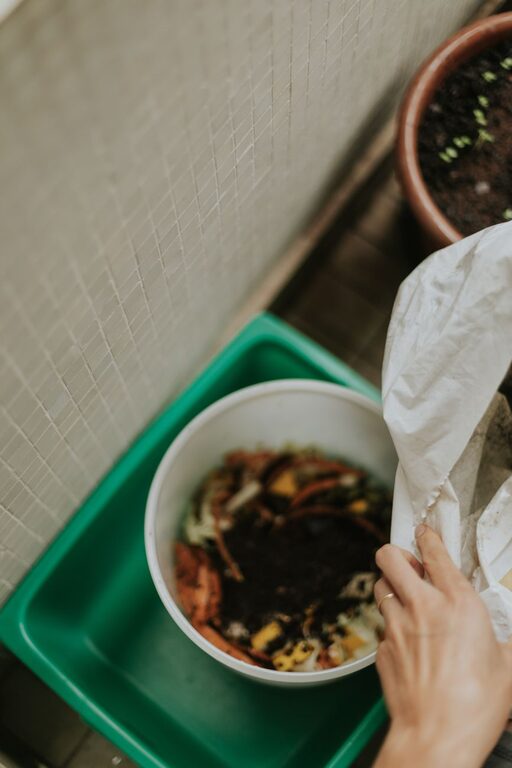
Even with the best efforts, some food scraps are inevitable. Composting is an eco-friendly way to dispose of these scraps instead of sending them to the landfill.
– Collect vegetable peels, coffee grounds, eggshells, and other compostable material.
– Use a backyard compost bin or community composting program if available.
– Compost enriches soil and reduces methane emissions from landfills.
Shop Smart to Reduce Waste
Smart shopping habits help prevent food waste before it starts.
Buy “Ugly” Produce
Many stores sell imperfect fruits and vegetables at a discount. These are just as nutritious and tasty, helping reduce waste caused by cosmetic standards.
Purchase in Appropriate Quantities
Avoid bulk buying perishable foods unless you can use or preserve them before spoilage.
Keep Track and Reflect
Regularly monitoring your food habits can help identify waste patterns and areas for improvement.
– Keep a food waste diary for a week to note what you throw away.
– Adjust shopping and cooking habits based on your findings.
– Celebrate progress and involve family members in waste reduction goals.
Final Thoughts
Reducing food waste at home is achievable with simple changes to daily routines. From planning meals and shopping smartly to storing food properly and creatively using leftovers, each step contributes to a more sustainable and cost-effective household. By adopting these habits, you not only help the environment but also make better use of the resources you have. Start small, stay consistent, and enjoy the benefits of less waste and more mindful eating.