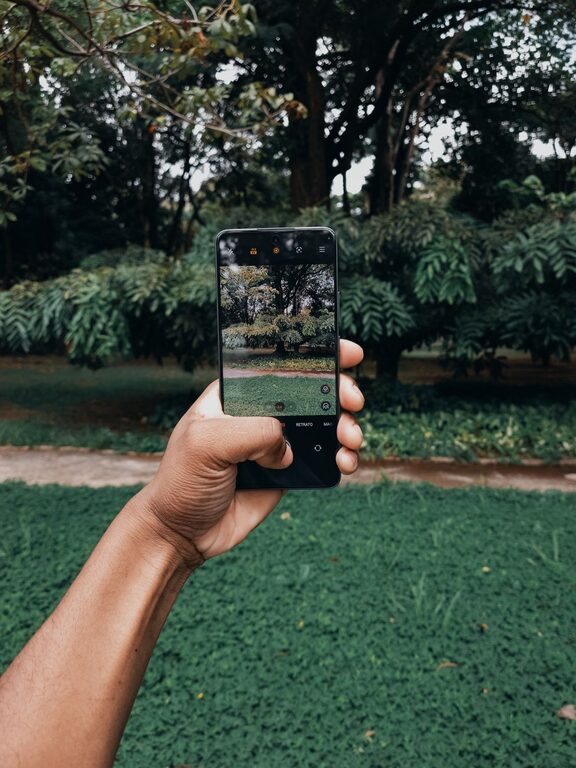
Taking great photos with your phone is easier than ever, thanks to advances in smartphone camera technology. Whether you want to capture memorable moments, beautiful landscapes, or stylish portraits, a few simple tips can help you take better photos. This guide will walk you through essential techniques and practical advice so you can make the most of your phone’s camera.
Understand Your Phone Camera
Before diving into photography tips, spend some time exploring your phone’s camera features. Most smartphones come with multiple lenses, different modes, and settings that can enhance your photos.
– Explore camera modes: Try options like panorama, portrait, night mode, or macro if your phone offers them.
– Adjust settings: Look for exposure controls, focus options, and grid lines to improve composition.
– Keep your lens clean: A clean lens ensures sharper photos. Use a microfiber cloth to gently wipe it.
Master Basic Composition Principles
Good composition makes your photos more appealing and balanced. Here are some beginner-friendly rules to keep in mind:
Use the Rule of Thirds
Imagine your screen divided into a 3×3 grid. Place important elements along these lines or at their intersections to create natural balance.
Focus on the Subject
Tap on your phone screen where you want the camera to focus, especially for portraits or close-ups. This ensures your subject is clear and sharp.
Avoid Cluttered Backgrounds
Choose simple, clean backgrounds that don’t distract from the main subject. Move around if needed to find a better angle.
Consider Symmetry and Patterns
Symmetrical scenes and repeating patterns can create visually striking photos. Look for architecture, nature, or textures that offer these elements.
Use Natural Light Whenever Possible
Lighting is one of the most important factors in photography. Natural light—especially during the golden hour just after sunrise or before sunset—produces soft, warm tones that enhance photos.
– Avoid harsh midday sun: It can create strong shadows and highlights.
– Face the light: Position your subject so they are lit from the front or side rather than from behind.
– Use shade: If the sun is too strong, find shaded areas for softer light.
Stabilize Your Phone for Sharper Images
Blurry photos often result from shaky hands. Here are ways to keep your phone steady:
– Use both hands to hold your phone firmly.
– Lean against a solid surface or rest your elbows on a table.
– Use a phone tripod or a stable surface when possible.
– Try to hold your breath and tap the shutter gently.
Experiment with Angles and Perspectives
Instead of always eye level shots, try different angles to add interest:
– Shoot from high above or ground level.
– Capture side profiles or three-quarter views.
– Get close to your subject to emphasize details.
– Step back to include more surroundings.
Utilize Your Phone’s Editing Tools
Editing can make a good photo great. Most phones have built-in editing apps with user-friendly tools:
– Crop and straighten to improve composition.
– Adjust brightness, contrast, and saturation to enhance colors.
– Apply filters carefully; subtle adjustments often look best.
– Remove minor distractions with healing or cloning tools if available.
Avoid over-editing, which can make photos look unnatural.
Backup Your Photos Regularly
Don’t risk losing your precious shots. Use cloud storage services or back up photos to your computer regularly. Many smartphones offer automatic backup options.
Practice and Be Patient
Like any skill, photography improves with practice. Take photos often, experiment with settings, and review your images critically. Over time, you’ll develop an eye for composition and light.
Bonus Tips
– Use the volume buttons or headphone remote to take photos for more stability.
– Try third-party camera apps for more manual control over focus, ISO, and shutter speed.
– Don’t be afraid to delete photos that don’t work. Learning comes from trial and error.
—
With these beginner tips, you’re well on your way to capturing better photos with your phone. Remember that the most important part of photography is enjoying the process and expressing your creativity. Happy shooting!